Empowering Patients: Your Comprehensive Guide to Cancer Treatments and Support
Navigating cancer care can feel like traversing a dense forest without a map. The road is often dark, and the path uncertain. Yet, just as seasoned explorers have charted their courses through uncharted territories, you too can find direction in the realm of oncology. From the moment of diagnosis—a word that strikes fear into the hearts of many—to the various treatment options available, understanding your journey is key to reclaiming your power. So, how can you equip yourself with the knowledge to face this challenge head-on?
Your journey begins at the diagnosis stage, where the word 'cancer' becomes part of your vocabulary. But what does it really mean? At its core, cancer signifies the presence of a malignancy—an uncontrolled growth of cells that may form tumors, invade surrounding tissues, and spread to other parts of the body. As you face this new reality, take a deep breath. Understanding the types of tumors and their risk factors can help demystify the process and empower you to make informed decisions. Remember, you are not alone. Many have navigated similar paths, and their survivor stories reflect resilience and hope.
In a world filled with medical research and advancements, it’s imperative to explore the treatment options available. Oncologists, the specialists who focus on the diagnosis and treatment of cancer, play a crucial role in this phase. Whether they recommend chemotherapy, radiation therapy, immunotherapy, or palliative care, each treatment plan is tailored to your individual needs. Approach your physician with curiosity: What are the expected outcomes? Are there clinical trials that could provide additional options? Engaging in patient education not only alleviates fears but also allows you to advocate effectively for your wellness.
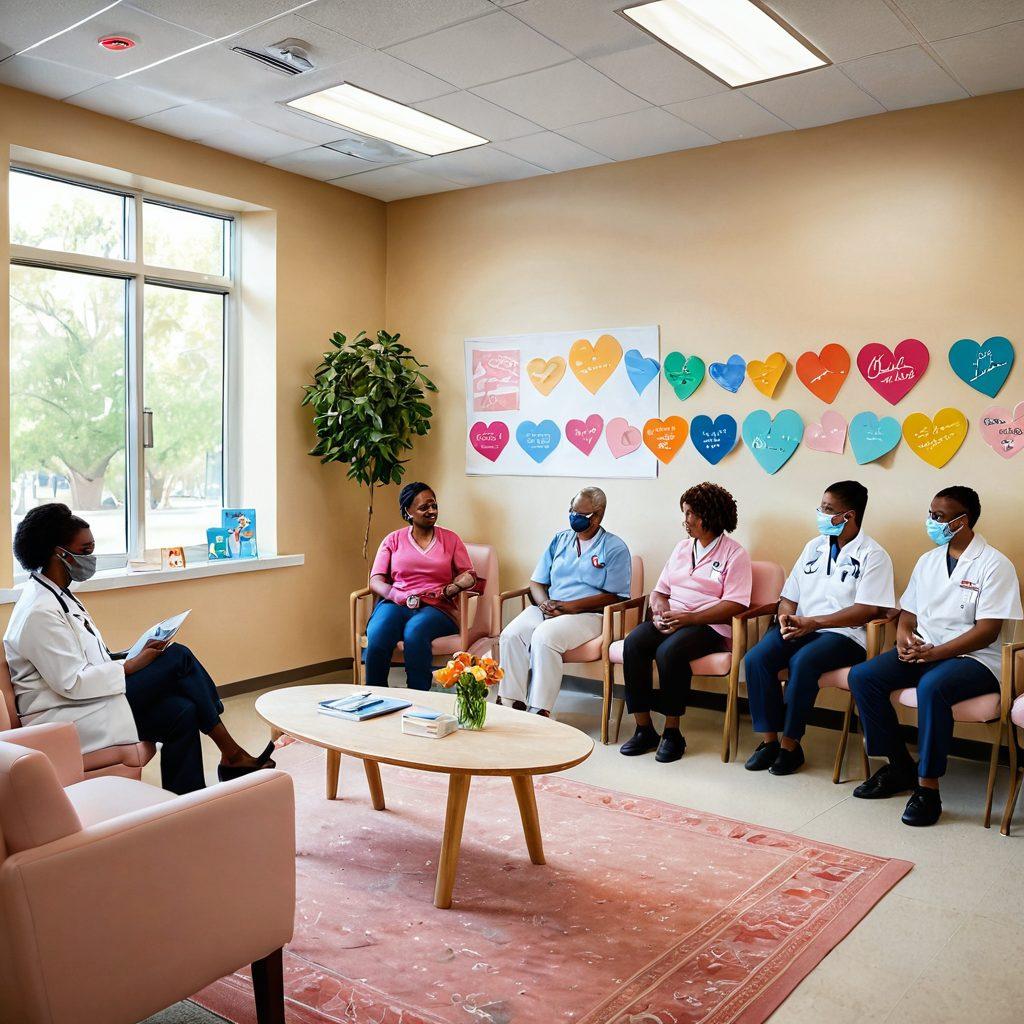
But what about the emotional toll of cancer care? The weight of your diagnosis can lead to feelings of isolation. This is where community support and support groups come into play. Connecting with others who share similar experiences not only fosters a sense of belonging but also provides valuable insights into coping mechanisms. Engaging in conversations about lifestyle changes that promote healthy living can serve as a positive outlet, and who knows? You might even inspire someone else in the group with your own story of strength.
As you traverse this labyrinth of cancer care, remember that prevention is an ongoing endeavor. Focus on preventive measures and risk factors to develop a lifestyle aligned with wellness. This journey, while challenging, also offers the opportunity to embrace new habits that promote a healthier life. Participate in cancer awareness events, educate yourself on symptoms, and remain vigilant about regular check-ups. Every step taken toward awareness and health is a step toward empowerment. After all, every survivor's story is not just about overcoming; it's about thriving.
Building a Support Network: Resources for Patients and Families
Navigating the world of cancer can feel like walking through a dense fog. From the first alarming symptoms to a definitive diagnosis, the journey can be overwhelming for both patients and their families. It’s at this juncture where building a robust support network becomes crucial. The landscape of oncology is vast, covering everything from treatment options and survivor stories to resources for emotional and practical support. What if we could transform a daunting experience into one filled with hope and empowerment through knowledge and community?
Understanding that you are not alone can be incredibly uplifting. In the realm of cancer treatment, those battling malignancy—whether through chemotherapy, radiation therapy, or cutting-edge immunotherapy—often find strength in shared experiences. Consider this: when was the last time you felt truly understood or comforted by someone who had faced a similar battle? Support groups are an invaluable resource, connecting patients and their families with others who are navigating similar challenges. Through conversations and shared experiences, these groups foster a sense of belonging and hope. They can provide insights into patient education that helps in making informed healthcare decisions.
Moreover, awareness is power. By exploring risk factors, symptoms, and the latest medical research, patients can take proactive steps toward their wellness. For families, understanding cancer prevention and recognizing early signs can make all the difference. Think of cancer awareness campaigns and community support as your first line of defense. They offer preventive measures that can inform lifestyle changes which have the potential to lead to healthier living. Who wouldn’t want to arm themselves with knowledge that may pave the path toward a cancer-free life?
Clinical trials and opportunities for innovation in cancer treatment often spark curiosity and hope. The quest for a cure allows for a deeper engagement between medical professionals and patients. As you share your journey with your oncologist, you may find that there are many groundbreaking studies and potential trials available. Like many survivors, you may uncover that hope is built one informed choice at a time. What steps can you take today to explore these options?
In summary, building a support network around cancer treatment requires courage and connection. Whether it’s finding local support groups, engaging with survivor stories, or diving deep into patient education resources, each action taken is a step towards empowerment. Remember, a well-informed patient is a strong patient. Embrace the journey with resilience and gather resources that can support you and your family along the way. Life may have thrown a daunting diagnosis your way, but with the right support network, you have the strength to face it head-on.
Empower Yourself: Essential Wellness Strategies for Cancer Survivors
Navigating the labyrinth of cancer treatment can feel overwhelming, yet the journey doesn’t end with a diagnosis. As a cancer survivor, you hold the power to redefine your own path toward wellness. A rich tapestry of survivor stories illustrates that despite the shadows of malignancy, there lies hope, resilience, and strength. Have you ever encountered remarkable tales of triumph that made you stop and think, 'If they can do it, so can I'? This blog aims to arm you with essential wellness strategies, community support, and actionable insights to take charge of your life post-cancer treatment.
Understanding your diagnosis is foundational to your journey. Whether it’s a tumor classified in stages or the nuances of an immunotherapy regimen, knowledge is your ally. Engaging in patient education allows you to have informed discussions with your oncologist about your treatment options. Ever considered how empowering it feels to play an active role in your healthcare decisions? From the effects of chemotherapy to alternative approaches like palliative care, being educated might just illuminate the road ahead, revealing opportunities where you thought there were none.
Creating a holistic approach to wellness involves more than just monitoring symptoms and adhering to medical advice. In fact, lifestyle changes can often spearhead profound transformations. Studies have shown that incorporating healthy living into your daily routine can significantly diminish risk factors associated with cancer recurrence. Have you thought about the impact diet and exercise can have on your emotional wellbeing? Joining a local support group can also provide the camaraderie needed to foster mental health while navigating this new chapter in your life.
Lessons learned aren’t just theoretical; survivor stories provide practical wisdom and relatable experiences from those who've walked similar roads. Take inspiration from someone who transformed their post-treatment life radically, implementing preventive measures that prioritize mental and physical health. Inspirational quotes like, 'Courage does not always roar. Sometimes it is the quiet voice at the end of the day that says, “I will try again tomorrow,”' resonate deeply with many survivors. What steps have you taken to embrace your narrative and write a new chapter as a survivor?
The importance of community support cannot be overstated. The bonds found in support groups offer strength in shared experiences, where conversations about cancer awareness, clinical trials, and cutting-edge medical research can fuel hope. Imagine engaging with others who understand every nuance of your struggle – what stories and strategies would you bring to the table? Remember, your path may differ from others, but you are not alone. Empower yourself with these wellness strategies and embrace a future full of potential.